Input
16 billion order-book events from the London Stock Exchange.
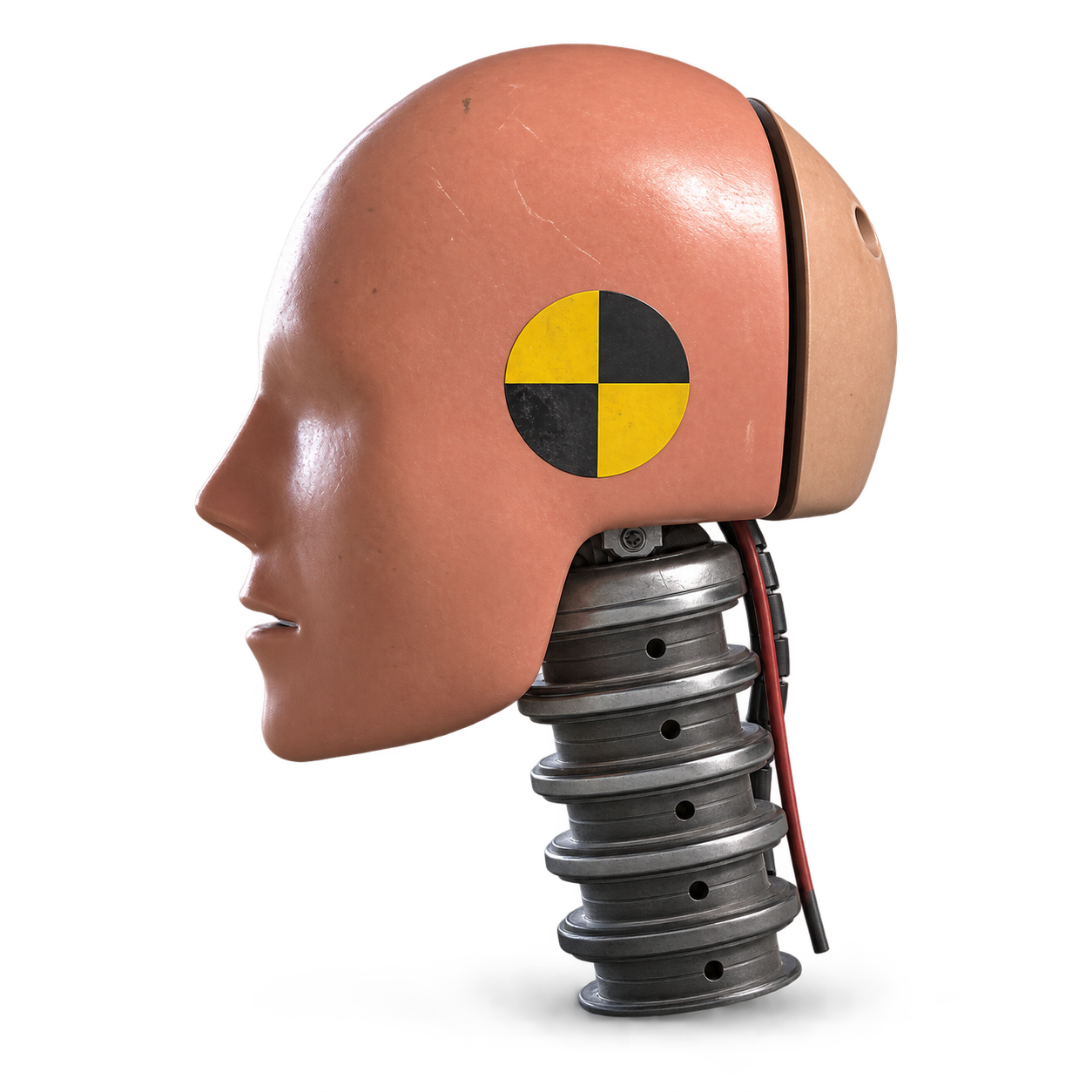
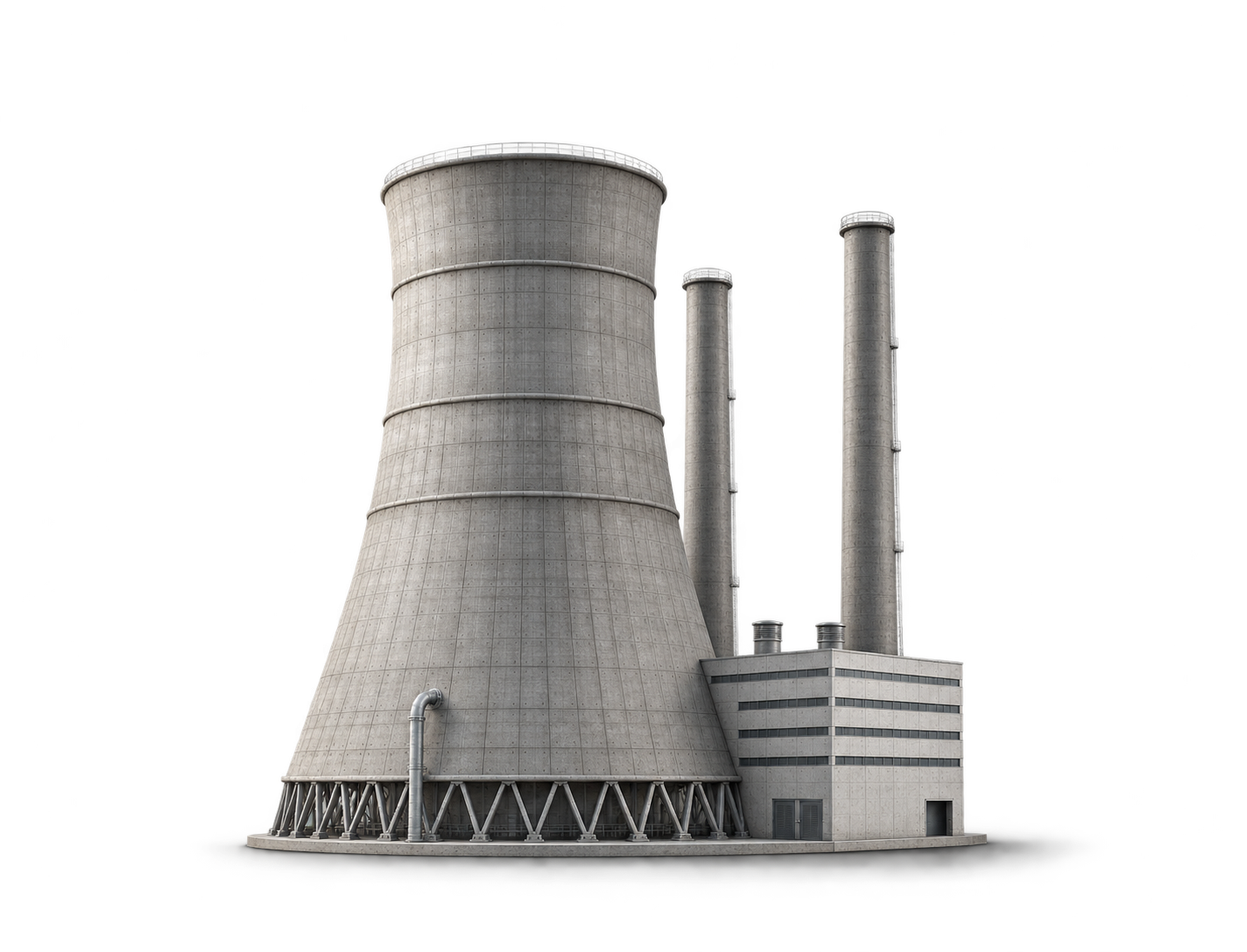
Simudyne trains models for the critical infrastructure in
capital markets, supply chains and energy
A working session is a call with the Simudyne team to discuss your critical system and the decisions you want to test.
Simudyne trained FlowLOB on 16 billion order-book events from the London Stock Exchange. It learns how prices and volumes move tick by tick, so a desk can play a trade forward many times before it reaches the market.
16 billion order-book events from the London Stock Exchange.
Predicts how the order book evolves after a proposed trade.
The trade played forward, many times over.
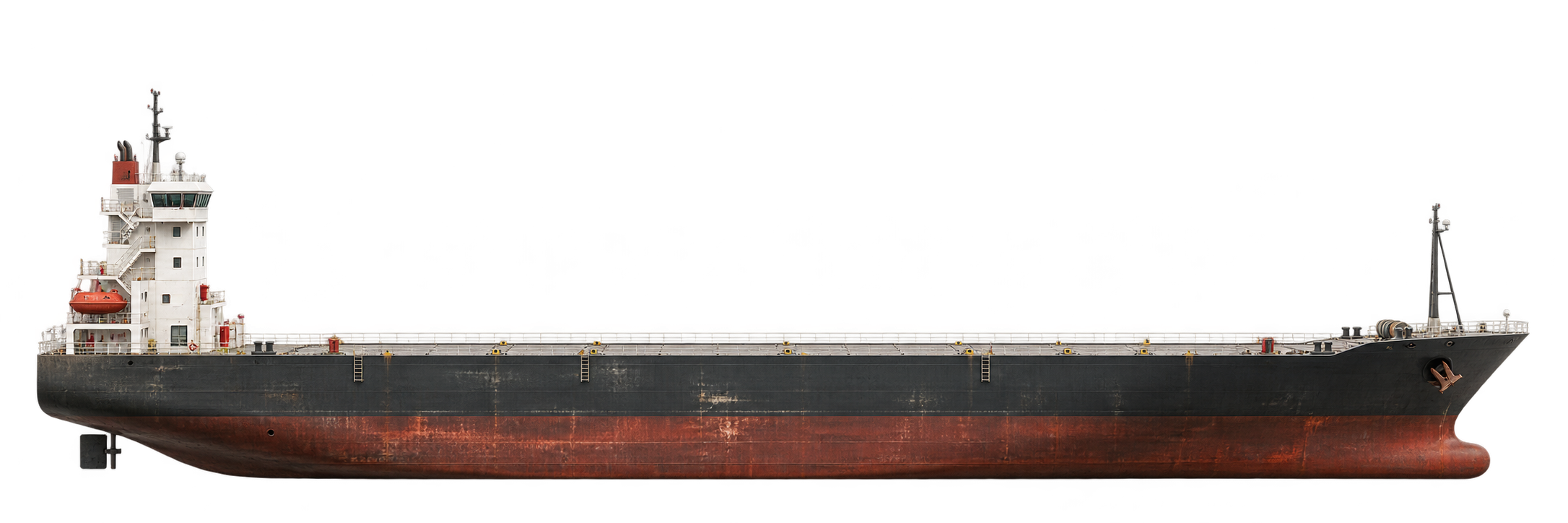
A wrong decision about a distribution hub, shipping route or supplier can wipe out a year's profit. Simudyne lets you test those decisions on a model of your supply chain before you commit.
The company delivers parcels across the U.S.
Using just two weeks of supply chain data, we built a digital twin of its delivery network and simulated merging some of its hubs.
The same profit impact, at an illustrative 7% margin.
See what happens to cost, delivery times and the other hubs before you sign a lease or end one.
Try an extra shift, more trucks or a new sort line, and see where the bottleneck moves next.
Play out a strike, a port closure or a carrier failure and see which customers feel it first.
Simudyne’s GB study found that new users willing to pause consumption for about 175 hours a year could connect roughly 11 GW of additional demand by 2035. Serving that demand continuously would require new supply.
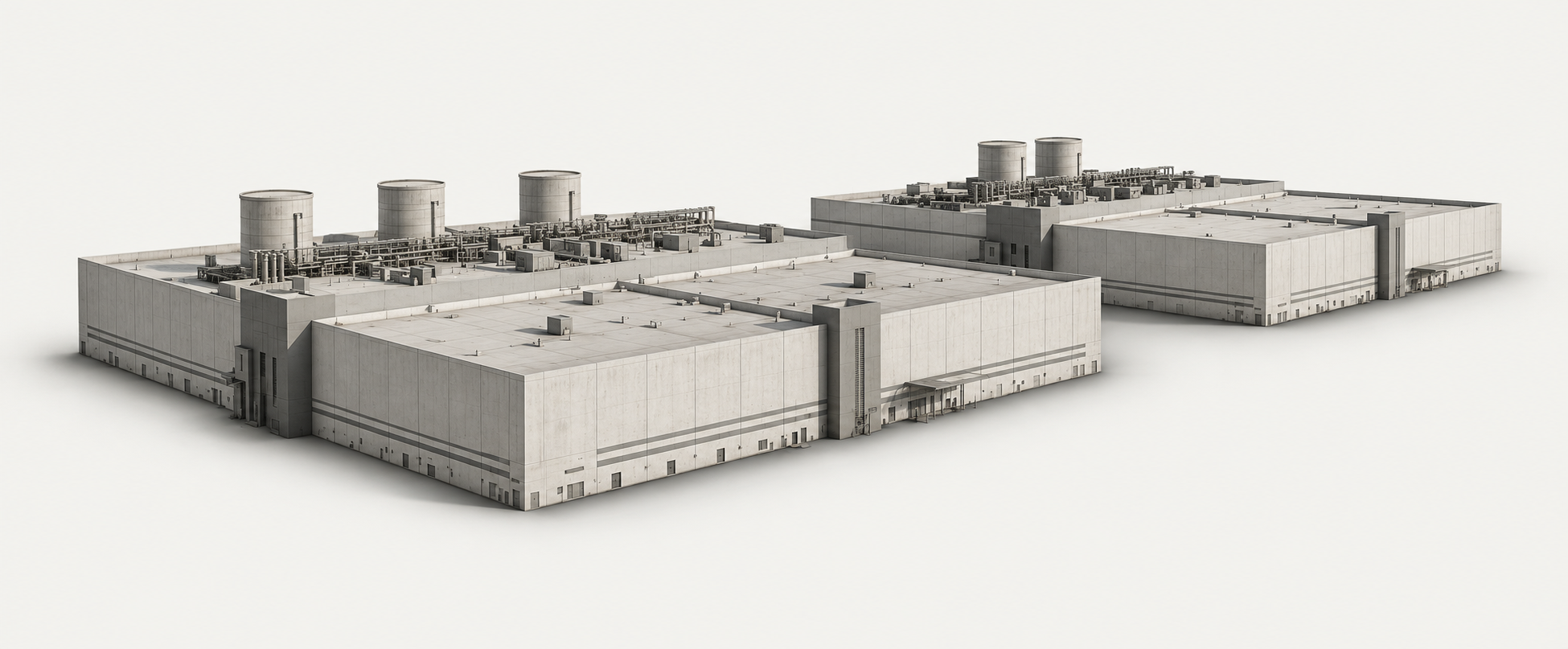
Users willing to pause consumption for roughly 175 hours a year could connect about 11 GW of additional demand by 2035.
Building the network faster allowed more connections, but there was still insufficient generation to serve the demand continuously.
The study identified capacity for additional flexible demand at 22 of the 26 candidate sites.
Indicative results under the study’s assumptions, not a connection offer or a NESO assessment. Flexible-load result: 2035, typical winter, median of 10 runs, with interruptions of up to 2% of the year.




Critical systems run on orders, transactions and sensor readings. Models from OpenAI and Anthropic learn from text, images and video on the internet.
Text, images and video
Orders, transactions,
sensors and decisions
Frontier models can describe past market events. That does not mean they can reliably simulate how orders, liquidity and participants would respond to a new scenario.
Ask a frontier model how far a large stock could fall in five minutes and you will receive an answer based on ordinary trading days. It will miss the rare crashes that matter most.
They are trained to produce plausible answers, not to reproduce a system's dynamics. Without testing against held-out data, a convincing prediction may have no link to reality.
Each prediction uses the previous one as its starting point, so small mistakes can add up. That is why we pretrain models on the data from your enterprise’s core systems, not just general data from your industry.
To get closer to the truth, start with the data in your critical systems: your orders, transactions and sensor readings.

Benchmarked against OpenAI and Anthropic’s published models on critical-systems data.
Closest to real exchange data on 30 of 32 tests of price and volume behavior at high frequencies.
Ranked first on every high-frequency test for a stock excluded entirely from training, without retraining.
The median difference between simulated and real market data was 4.5 times smaller than the strongest competing model.
Source: FlowLOB, August 2026. Compared with four published approaches. Performance is strongest at 0.1 and 1-second sampling frequencies.
Your data is your most valuable asset, so it should stay yours. Put it into a model that you own and run.

Few people have pretrained models on operational data. Fewer still have spent twenty years simulating the critical systems that produce it.